As many as 97,689 people had more than Rs 1 crore gross income in 2018-19 AY against 81,344 in the previous year, shows official direct tax data.

The BJP's effort comes in the wake of Commerce and Industry Minister Piyush Goyal set to attend the eighth RCEP ministerial meeting in Bangkok from October 10 to 12.
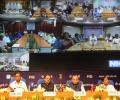
Though the system is called faceless, it would have a room for inviting tax payers through video conferencing.

The intention of the government is to cap prices of drugs that are essential and which the public widely uses.

Divestment in BPCL, SCI, Concor, NEEPCO, and THDC would help the Centre keep its fiscal deficit in check in the wake of subdued tax revenues and a Rs 1.45-trillion hit for the exchequer from corporation rate cuts.

Among possible new members, former chief economic advisor Arvind Virmani's name is doing the rounds.
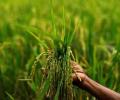
However, the estimates could change in the coming months, as full impact of excess rainfall and floods on the standing soybean and urad crops in central and western India in late August and September has not yet been fully taken into account.
The government has set a direct tax collection target of Rs 13.35 trillion, which includes Rs 7.66 trillion from corporation tax and Rs 5.69 trillion from personal income tax.
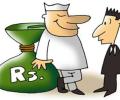
It has decided not to levy the 2 per cent tax deducted at source (TDS) on cash payments above Rs 1 crore made through Agricultural Produce Market Committees.

This should augur well for the rabi crops as delayed withdrawal will leave enough moisture in the soil for early sowing.

Farmers should be encouraged into crops needing less of water, while ensuring a market for what they sow, said ICAR's head.
The collections stood at Rs 98,202 crore in the month, against Rs 1.02 trillion in July. The figures indicate continuation of economic slow down which was reflected in the gross domestic product (GDP) growth which plummeted to a 25-quarter low of 5 per cent in the first quarter of 2019-20, experts said.

The subsidy will be credited to bank accounts of farmers against cane price dues and are compliant with WTO norms. This will benefit millions of farmers in Uttar Pradesh, Maharashtra and Karnataka.
DTC task force also favoured doing away with Dividend Distribution Tax by suggesting taxing dividends in the hands of shareholders.

The slowdown in sowing is mainly because of the delayed onset of the southwest monsoon and its slow progress in June.
Sources in the Fifteenth Finance Commission said that they will implement the provisions after the bill is enacted and the President makes a reference to it.

Digital commerce operators advertising on global social media, which earlier did not pay Google tax on their operations in Jammu & Kashmir, may now have to cough it up at 6 per cent.
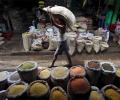
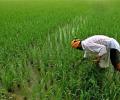
However, the areas under paddy - the biggest cereal grown during the kharif season - continue to be less than last year, mainly due to delayed onset of rains and also on account of shift towards the more lucrative maize.

Recent data from market analytics firm Nielsen shows that the rural market in the country's 630,000-odd villages is pulling down the overall FMCG business.
Officials said good rain in August - though it might not improve acreages much for most crops except urad, moong, and paddy - would help in improving yields in the crops already planted.
 © 2026 Rediff.com - Investor Information - Advertise with us - Disclaimer - Privacy Policy - Sitemap - Feedback - About us - Terms of use - Grievances